
 English
 中文简体
中文简体 日本語
日本語 한국어
한국어 Español
 русский
Контент
- 1 Короткий ответ: это зависит от трех вещей
- 2 Начните с того, как костюм будет использоваться.
- 3 Подберите ткань в соответствии с бюджетом, независимо от того, покупаете ли вы один костюм или тысячу.
- 4 Учитывайте климат и целевой рынок
- 5 Как эти три фактора объединяются
- 6 Контрольный список, который необходимо выполнить перед размещением заказа
- 7 Работа напрямую с производителем ткани.
Короткий ответ: это зависит от трех вещей
Не существует единой ткани, которая лучше всего подойдет для любого костюма. Правильный выбор сводится к трем факторам: как костюм будет использоваться , ваш бюджет или объем заказа и климат и условия ухода с этим нужно справиться. Ткань, которая идеально подходит для единичного свадебного костюма, часто оказывается неправильным выбором для заказа униформы на 500 штук, а ткань, созданная для прохладного европейского рынка, будет неэффективной на жарком и влажном рынке. В этом руководстве рассматривается каждый фактор, чтобы вы могли выбрать ткань, которая действительно соответствует вашей ситуации, а не просто общие рекомендации.
Повседневная деловая одежда, официальное мероприятие, индивидуальный пошив или объемная униформа.
Покупка одного предмета одежды по сравнению с оптовым заказом B2B
Целевая рыночная температура, влажность и способ чистки костюма.
Начните с того, как костюм будет использоваться.
Конечное использование сужает поле быстрее, чем любой другой фактор, потому что одежда, которую носят пять дней в неделю, структурно не имеет почти ничего общего с той, которую носят один день. Прежде чем обращать внимание на цену или климат, полезно честно узнать, как часто костюм на самом деле придется носить и в каком состоянии он должен находиться.
Повседневная деловая одежда
Костюм, который носят несколько раз в неделю, постоянно сидит, стоит, складывается в автомобильные сиденья и снова подвешивается, иногда не имея целого дня, чтобы восстановить свою форму.
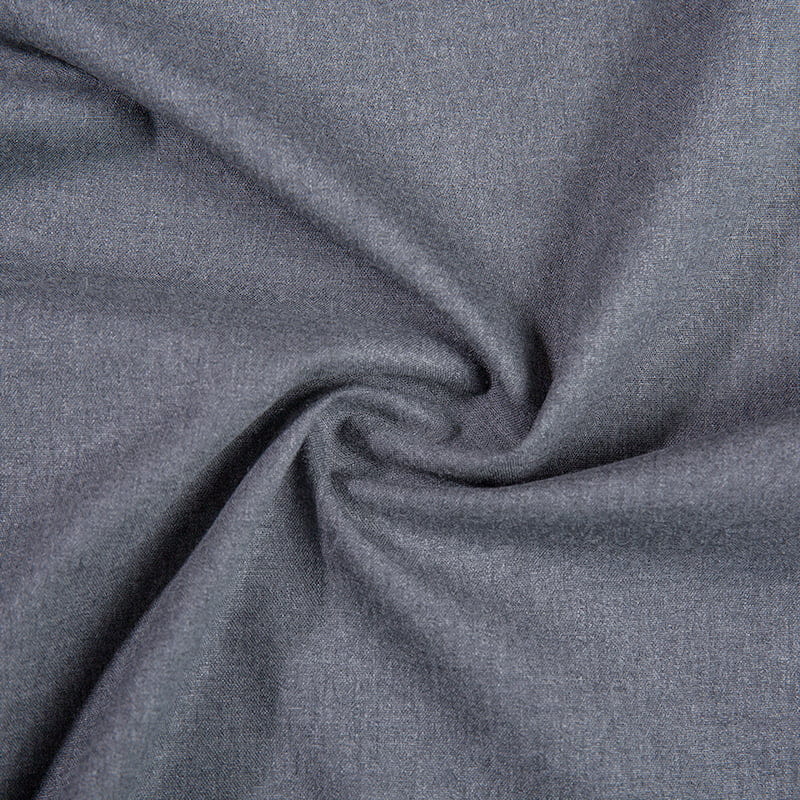
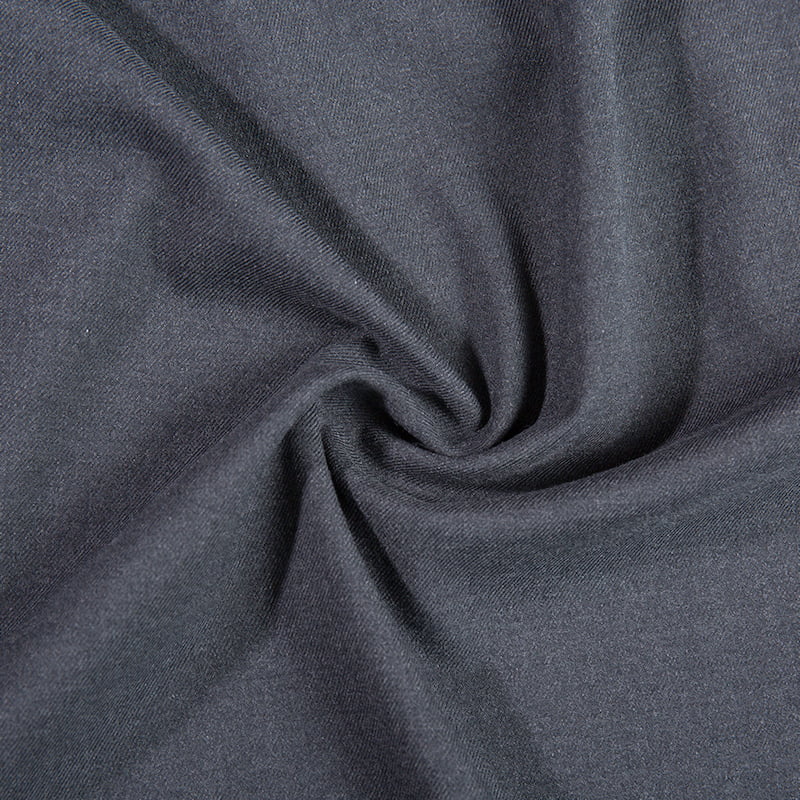
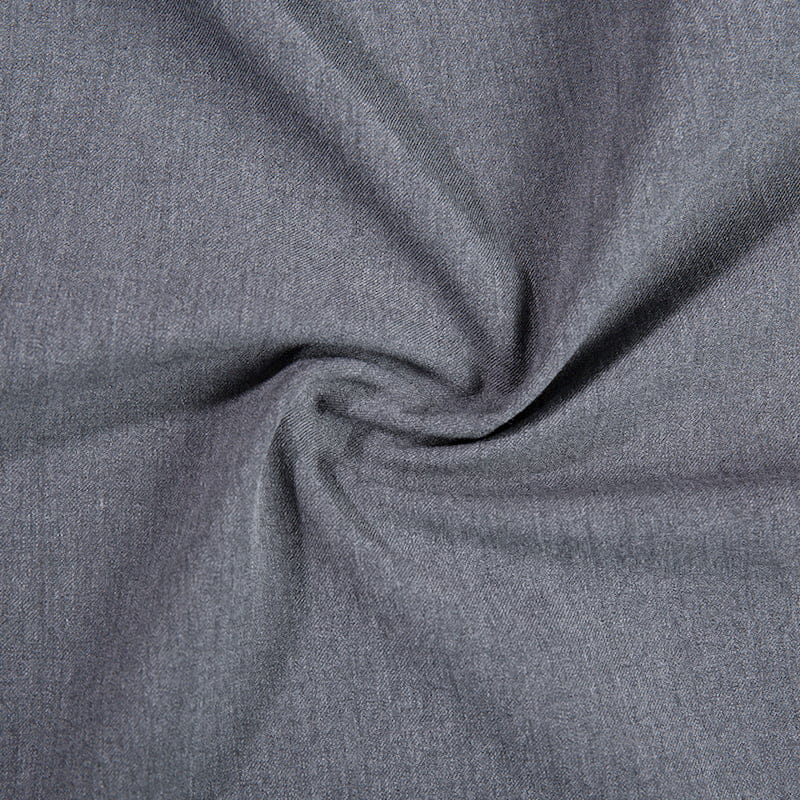
Для этого варианта использования смесь шерсти и полиэстера камвольного переплетения является практическим значением по умолчанию. Содержание полиэстера повышает устойчивость к морщинам и помогает одежде восстанавливаться между носить, в то время как содержание шерсти обеспечивает достаточную драпировку, поэтому костюм не выглядит жестким или синтетическим. Технически, чистую шерсть можно носить ежедневно, но она требует более частой глажки и более тщательной смены нескольких костюмов, что не всегда реалистично для человека, носящего одни и те же два или три костюма в еженедельном цикле. Покупателям, выбирающим программы корпоративной униформы, следует также оценить, как ткань ведет себя после многократных циклов химчистки, поскольку ткань, которая отлично выглядит в первый день, но теряет внешний вид после десяти чисток, вызывает постоянные жалобы.

Одежда для свадьбы или торжественного мероприятия
Костюм, купленный для свадьбы или отдельного торжественного случая, почти полностью оценивается по тому, как он выглядит в данный момент, а не по тому, как он прослужит в течение нескольких месяцев ношения. Это смещает приоритет в сторону драпировка и блеск поверхности а не долговечность или устойчивость к морщинам. Более высокое содержание шерсти, часто 70 процентов или выше, придает ткани более мягкое сияние и тонкий естественный блеск, который лучше фотографируется как при дневном, так и при внутреннем освещении. Поскольку костюм, скорее всего, придется носить всего несколько раз, покупатели могут позволить себе выбрать ткань, которая чуть менее поддается глажке или чуть более склонна к образованию складок, в обмен на более изысканный вид. Здесь также сезонный цвет и вес имеют большее значение, чем в повседневной одежде: для летней свадьбы требуется более легкая ткань, часто более светлых тонов, а для зимнего официального мероприятия подойдет более тяжелая ткань более насыщенных тонов.
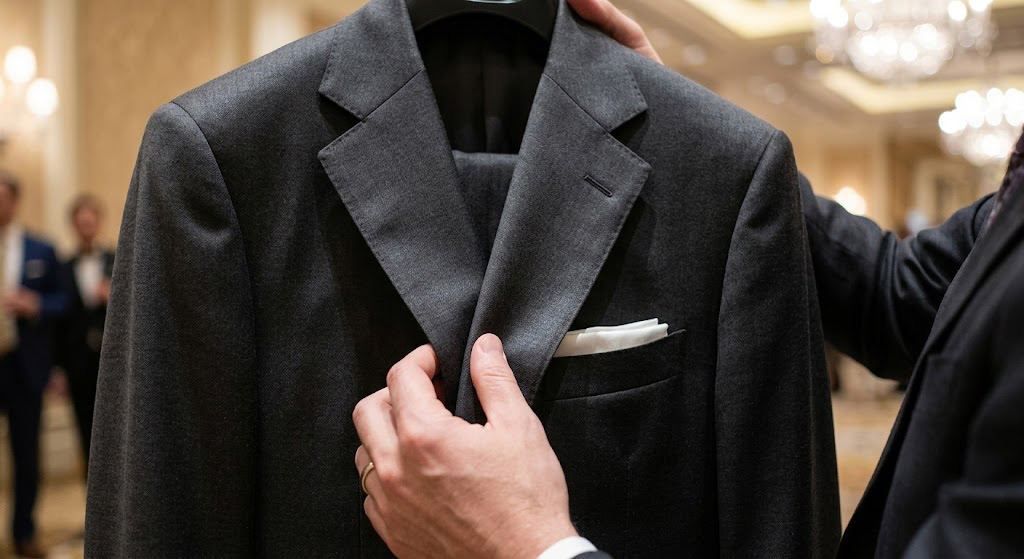
Индивидуальный или элитный пошив
В конечном итоге частью того, за что платит покупатель, становится сама ткань, а не только конструкция одежды. Тонкая чистая шерсть или шерсть с небольшим процентом кашемира или шелка. , здесь является стандартным, выбранным специально для ощущения руки, драпировки и визуальной глубины, которую не могут полностью воспроизвести смешанные ткани. Покупатели этой категории обычно менее чувствительны к цене и больше внимания уделяют единообразию: одна и та же партия ткани должна подходить друг к другу на куртке, брюках, а иногда и на жилете, поэтому согласованность партий и соответствие цветов становятся реальным критерием спецификации, а не второстепенной мыслью. Для тонкой шерсти этого уровня также обычно используется более высокая плотность пряжи, что обеспечивает более гладкую и менее заметную структуру переплетения по сравнению со стандартной деловой тканью.
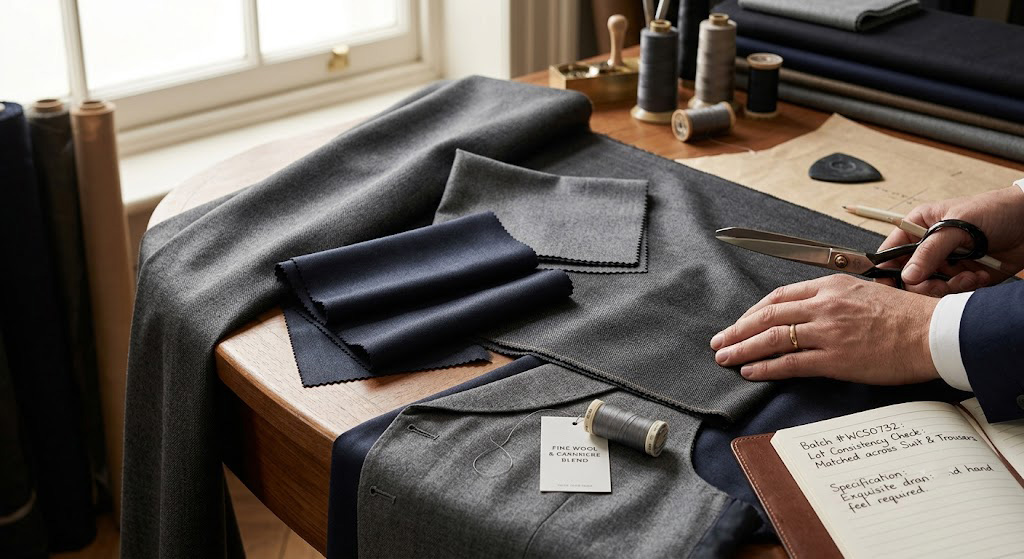
Единые или оптовые рекламные заказы
Заказы на униформу и рекламные заказы полностью меняют список приоритетов: стабильность в сотнях или тысячах единиц, низкая стоимость за единицу и простота ухода имеют гораздо большее значение, чем роскошные ощущения в руках. А смесь полиэстера и вискозы — это общий выбор, поскольку он сохраняет цвет одинаково при больших партиях красителей, устойчив к усадке и обычно можно стирать в машине, а не требовать химической чистки, что очень важно, когда организация выдает костюмы большому персоналу. Компромиссом является более плоская и менее текстурированная поверхность по сравнению с тканями на основе шерсти, но для этого варианта использования этот компромисс почти всегда того стоит. Покупатели, заказывающие в этом масштабе, также должны письменно подтвердить однородность партии красителя, поскольку даже небольшая разница в цвете между партиями становится очень заметной, когда большая группа красителей стоит вместе в одной и той же униформе.
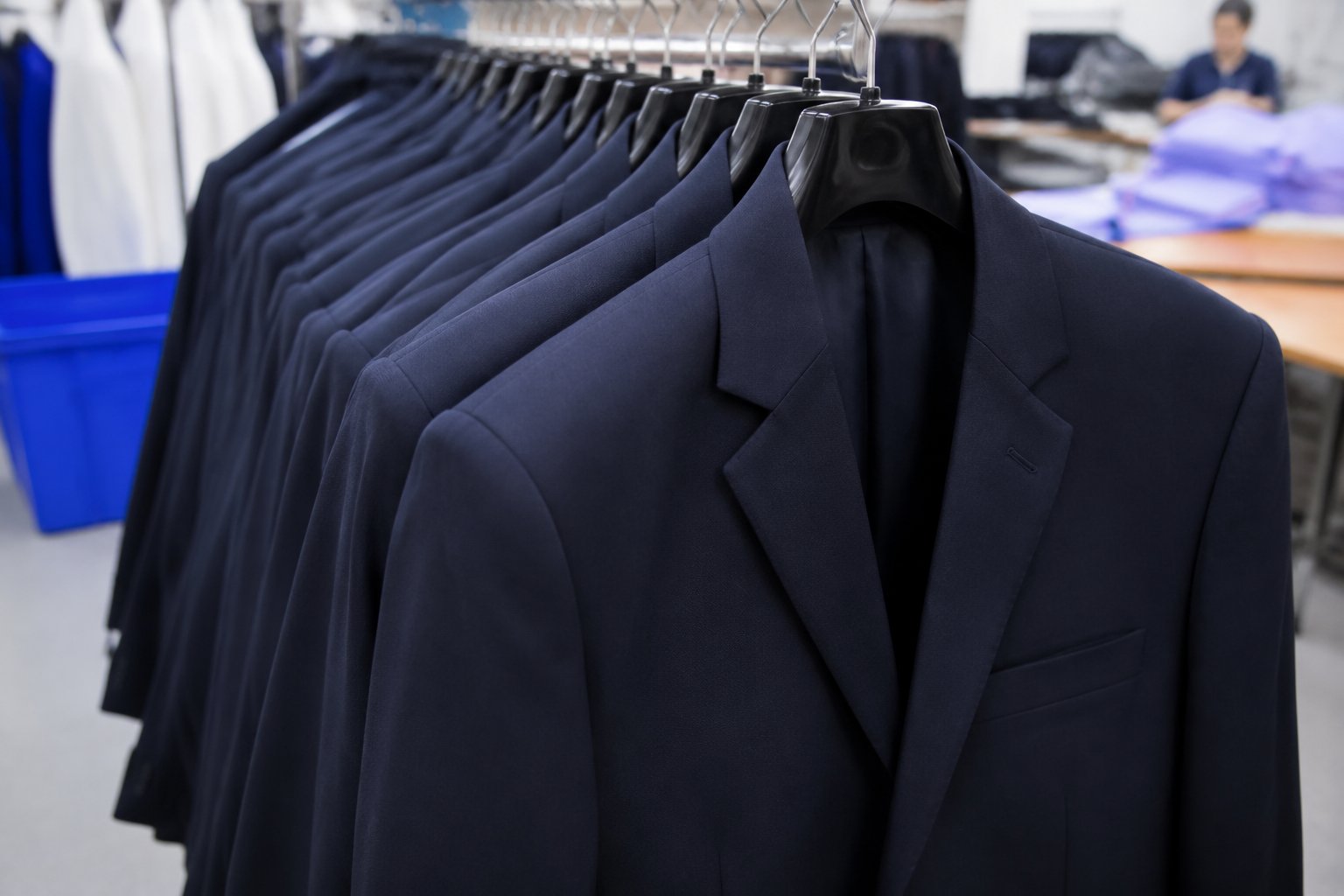
Если ваш вариант использования охватывает более одной из этих категорий, например, компания, которой нужна как линия костюмов для руководителей, так и линия рекламных подарков, обычно и часто более экономически эффективно использовать две отдельные спецификации ткани, а не заставлять одну ткань служить обеим целям.
Подберите ткань в соответствии с бюджетом, независимо от того, покупаете ли вы один костюм или тысячу.
Бюджет работает по-разному в зависимости от того, являетесь ли вы индивидуальным покупателем, выбирающим один костюм, или бизнес-покупателем, размещающим оптовый заказ, но основная логика одна и та же: содержание волокна и соотношение смеси определяют стоимость, а стоимость определяет, какие компромиссы вы принимаете.
Для индивидуальных покупателей
Если вы покупаете для себя один костюм, решение в основном зависит от того, за какую драпировку, воздухопроницаемость и устойчивость к морщинам вы готовы заплатить. В костюмах начального уровня обычно используется смесь шерсти и полиэстера с содержанием шерсти от 20 до 40 процентов, что снижает стоимость и повышает устойчивость к морщинам за счет некоторой воздухопроницаемости. В костюмах среднего класса обычно содержание шерсти составляет от 60 до 80 процентов для лучшей драпировки и более естественного ощущения на руке. Костюмы премиум-класса и костюмы, сделанные на заказ, обычно состоят из 100 процентов шерсти, иногда с добавлением небольшого процента кашемира или шелка для придания дополнительной мягкости и блеска.
Для оптовых покупателей и B2B покупателей.
При заказе больших объемов стоимость единицы ткани оказывает прямое и суммирующее влияние на общую стоимость заказа, поэтому решения о соотношении смешивания рассматриваются гораздо более тщательно. Оптовым покупателям также необходимо взвесить минимальный объем заказа (MOQ) против индивидуальной настройки ткани: полностью индивидуальный состав и цвет обычно требуют более высокого минимального заказа, чем закупка из существующего ассортимента фабрики. Объем заказа также влияет на то, сколько места остается для согласования характеристик веса, ширины и отделки непосредственно с производителем.
| Уровень | Типичное содержание шерсти | Лучше всего подходит |
| Экономика | От 0 до 40 процентов шерсти, остальное полиэстер или вискоза. | Униформа оптом, рекламные заказы, индивидуальные покупатели с ограниченным бюджетом. |
| Средний уровень | смесь шерсти от 60 до 80 процентов | Деловой костюм для повседневной носки, средние корпоративные заказы. |
| Премиум | 100-процентная шерсть или смесь шерсти и кашемира. | Индивидуальный пошив, подарки для руководителей, небольшие высококачественные партии |
Учитывайте климат и целевой рынок
Плотность и переплетение ткани должны соответствовать месту фактического ношения костюма. Тяжелая зимняя ткань, отправленная на жаркий и влажный рынок, получит жалобы на дискомфорт, независимо от того, насколько хорош пошив, а легкая летняя ткань, отправленная покупателю в холодном климате, будет восприниматься как хрупкая.
| Климат | Типичный диапазон веса | Плетение нот |
| Жарко и влажно (Ближний Восток, Юго-Восточная Азия) | Легкий, открытое переплетение. | Однотонное или фресковое переплетение для циркуляции воздуха, более светлые цвета для отражения тепла. |
| Умеренный (большая часть Европы, прибрежные регионы) | Средний вес | Саржевое переплетение обеспечивает баланс структуры и комфорта в любое время года. |
| Холодный или континентальный (Северная Европа, высокогорные районы) | Тяжелый вес | Более плотная отделка из твила или фланели для тепла и структуры. |
Условия ухода имеют такое же значение, как и температура. Если конечный покупатель имеет ограниченный доступ к химчистке, устойчивая к морщинам смесь полиэстера с отделкой, которую можно стирать в машине, будет гораздо лучше сохраняться в реальных условиях, чем нежная ткань с высоким содержанием шерсти, которая лучше выглядит на бумаге.
Как эти три фактора объединяются
На диаграмме ниже показано, как конечное использование, бюджет или объем, а также климат или уход объединяются в единую спецификацию ткани. Ни один из трех факторов не работает изолированно, и окончательный выбор всегда является пересечением всех трех.
Контрольный список, который необходимо выполнить перед размещением заказа
Независимо от того, покупаете ли вы один костюм или осуществляете полный заказ, письменное подтверждение спецификации до начала производства позволит избежать наиболее распространенных споров. Просмотрите этот список вместе со своим портным или поставщиком:
- Содержание клетчатки - точное процентное содержание шерсти, полиэстера, вискозы или других волокон, а не просто общее название смеси.
- Вес - вес ткани соответствует целевому климату и сезону
- Тип переплетения - однотонный, саржевый или фресковый, что влияет как на драпировку, так и на воздухопроницаемость.
- Ширина - стандартная ширина ткани, которая влияет на производительность раскроя и стоимость при оптовых заказах.
- Допуск на усадку - подтверждается перед раскроем, особенно важно для смесей с вискозой
- Стойкость цвета - устойчивость к выцветанию от стирки, химчистки и воздействия света
- Готово - Любая противомятая, водоотталкивающая или антистатическая обработка, нанесенная на ткань.
Работа напрямую с производителем ткани.
Как только вы узнаете свое конечное использование, уровень бюджета и климатические требования, самый быстрый способ подобрать нужную ткань — это получить физические образцы, соответствующие точной спецификации, а не выбирать только по описанию в каталоге. Работа напрямую с производителем также позволяет регулировать соотношение смеси, вес или отделку для конкретного заказа, что редко возможно при покупке через посредника. В частности, для оптовых покупателей прямой подход обычно означает более короткие сроки выполнения заказов и большую гибкость в отношении минимального заказа для повторных заказов.
Шаосин Фусин Текстильная и Технологическая Компания, ООО ., основанная в 2022 году, специализируется на производстве ткани для мужских и женских костюмов . Наша основная продукция включает однотонные ткани из полиэстера, вискозы и спандекса, смеси полиэстера, вискозы и шерсти, ткани из спандекса TR, окрашенные в пряжу, а также окрашенные ткани, подходящие для костюмных брюк, пиджаков и униформы. В настоящее время мы ежегодно поставляем более 10 миллионов метров ткани дизайнерам, брендам и конечным покупателям. Если у вас есть какие-либо новые идеи или концепции для нашей продукции, мы тепло приветствуем отечественных и международных клиентов, которые могут сотрудничать с нами и вместе создавать блестящее будущее.